
252 Newbury St, Suite 1
Boston, MA 02116
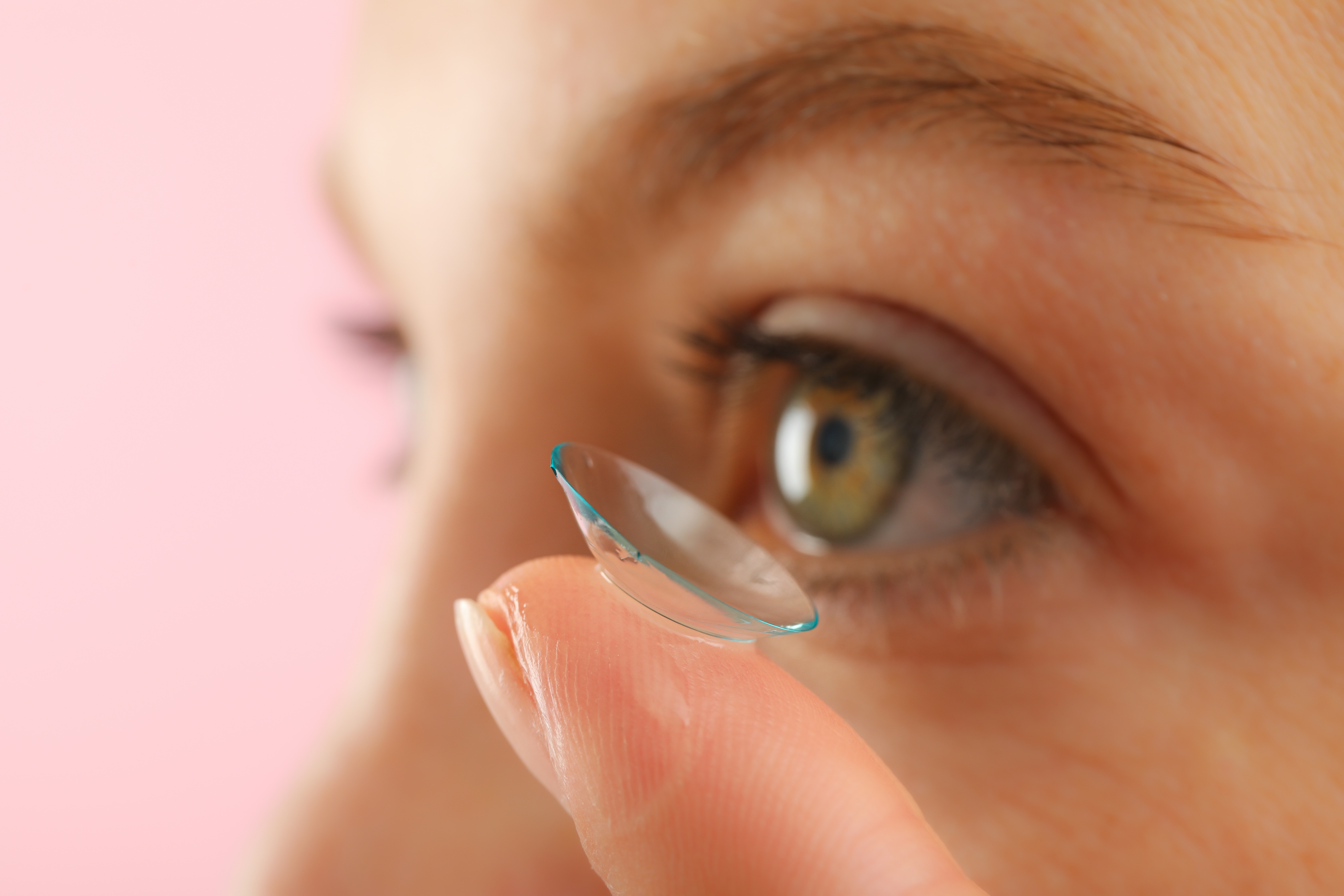
Fall in Boston brings cooler temperatures, changing leaves, windy days, and seasonal allergens. For contact lens wearers, it can also bring an uncomfortable combination of dryness, itching, burning, and blurry vision. If your contacts suddenly feel less comfortable as the seasons change, your lenses may not be the only problem. Fall allergies, wind, and an unstable tear film can all affect how your contact lenses feel throughout the day.
Why Fall Weather Can Dry Out Your Contacts
Contact lenses sit directly on the tear film that keeps the surface of your eyes moist and comfortable. When Boston's fall winds pick up, tears can evaporate more quickly. Cooler outdoor air and drier heated indoor environments can add to the problem.
If your tear film is already unstable, your lenses may begin to feel dry, sticky, or gritty. You might also notice fluctuating vision that temporarily clears after blinking.
Extended screen time can make matters worse. People naturally blink less while concentrating on computers and phones, giving tears more time to evaporate and leaving contact lenses feeling increasingly uncomfortable.
Allergies Can Add to the Irritation
Ragweed, mold spores, dust, and other airborne allergens can trigger itchy, watery, red eyes during the fall. Contact lenses may make allergy symptoms more noticeable because allergens can collect on or around the lens surface.
Itching is often strongly associated with allergies, while burning, grittiness, and fluctuating vision may point toward dry eye. Some Boston patients experience both at the same time, which is why persistent symptoms should be properly evaluated instead of assuming you simply need different eye drops.
How to Keep Contact Lenses More Comfortable
A few changes may help reduce fall contact lens discomfort:
• Wear lenses only for the recommended amount of time
• Follow your prescribed replacement schedule
• Avoid rubbing your eyes when allergies cause itching
• Redirect fans, heaters, and vents away from your face
• Blink fully and take regular breaks during screen use
• Wear sunglasses outdoors to help shield your eyes from wind and airborne irritants
• Keep updated glasses available when your eyes need a break from contacts
Only use lubricating or allergy eye drops that are appropriate for contact lens wear and follow your eye doctor's recommendations.
When the Problem Is More Than the Weather
If your contacts regularly feel dry despite good lens care, the issue may involve your tear film, eyelid glands, inflammation, lens material, or contact lens fit. At BLINK, Dr. Stacy Coen evaluates contact lens comfort along with the health of the ocular surface so we can determine what may be contributing to ongoing irritation.
Some patients may benefit from a different contact lens material or wearing schedule, while others need treatment for underlying dry eye. Our dry eye care in Boston may include personalized therapies such as ETERNA radio-frequency treatment when appropriate to improve tear film stability and address factors contributing to chronic dryness.
Schedule a contact lens or dry eye evaluation with BLINK to find a more comfortable approach to contact lens wear this fall. Visit our office on Newbury Street in Boston, or reach us at (617) 780-0728 to book your appointment today.

Powered by
